
Hey parents! Let’s talk some numbers behind STEM education.
Everybody is “STEM-ing” these days. Coupled with the announcement from the Ontario Ministry of Education earlier this year, STEM education is no longer a topic that can be ignored.

It’s short for Science, Technology, Engineering and Math. It is a merger of subjects with the goal of developing technical and critical thinking skills for modern learners.
At Wiz , we are passionate about STEM education and we can’t stress enough the importance of learning STEM for the younger generation. As we had written about previously in our blog, STEM education is a global endeavour to help children and youths to prepare for the future of STEM. Governments worldwide are looking for ways to help students build the solid foundation they need for the future.
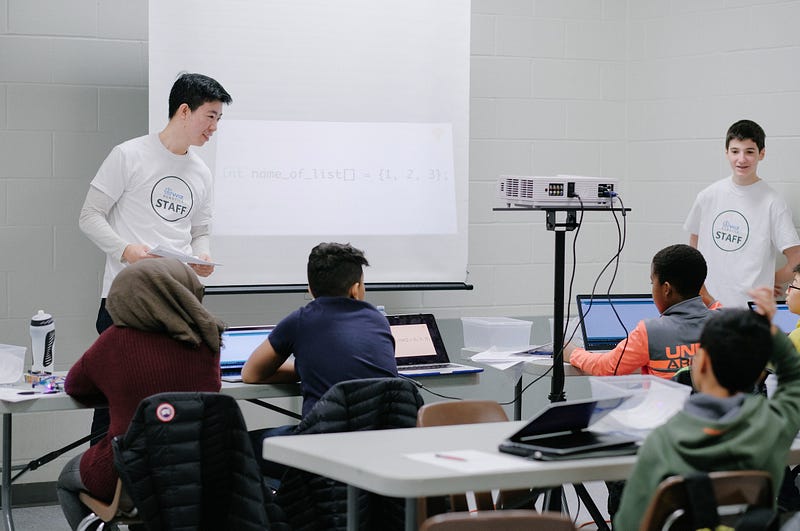
Problem solving is one of the most important skills for children’s development. It’s also one of the most essential skills used in STEM education. Students are encouraged to learn the required knowledge as well as think outside of the box to solve different challenges and problems. It’s an extremely valuable way for students to develop the problem solving skills that are critical to their future successes.
Read more about building problem solving skills in STEM competitions.
STEM also teaches transferable skills that students can use throughout their lives. Critical thinking, being innovative, as well as project management skills are just some of the examples that students will be able to pick up during their STEM journey.
Read our previous blog posts to find out how Wiz programs can help develop these skills:
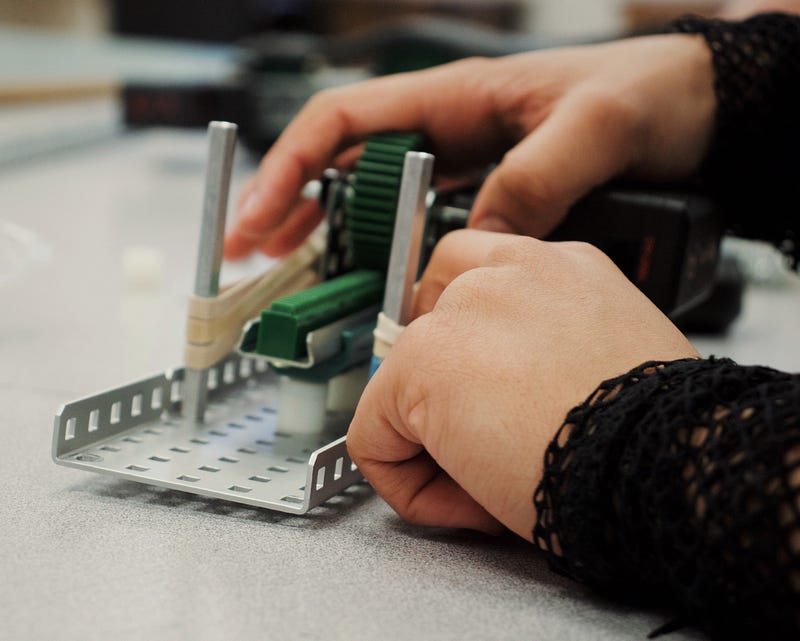
STEM careers continue to be some of the fastest growing occupations in the US and Canada. The US Bureau of Labor Statistics is projecting the number of jobs in STEM fields to grow by nearly 10% between 2019 and 2029. That’s twice the rate of growth for all other occupations!
According to the 2016 census by Statistics Canada, the average income of a STEM graduate is more than $15,000 higher than graduates of non-STEM fields. It’s a similar situation in the United States. The median salary for STEM occupations was $98,340 in 2020, with computer and information systems managers earning an average of $161,70 per year.

First and foremost, cost can be a barrier to STEM education. According to a recent UScellular survey, almost half of students surveyed agree that pursuing a path in a STEM-related field would be too costly or too difficult.
Some of these costs include:

STEM education doesn’t have to come with a massive price tag. There are many ways to engage with children on their interests and get them to practice STEM skills on a daily basis.
For example, we had outlined five ways that you can incorporate STEM everyday in a previous blog post. These methods will help you continue the conversation at home with your children on STEM through daily activities and discussions.
Additionally, there should be local resources in your city that are free or low cost for the whole family to enjoy STEM. The local public library is a great place to start. For those in the Toronto area, the Toronto Public Library is a treasure chest full of resources and programs for free. If the library doesn’t have the STEM information you need, you can always pay a visit to the Ontario Science Centre in person or access their virtual resources.

Did you know that some STEM competitions are very affordable to participate in and can also be done virtually! STEM competition are a great opportunities for children to develop STEM skills while having fun.
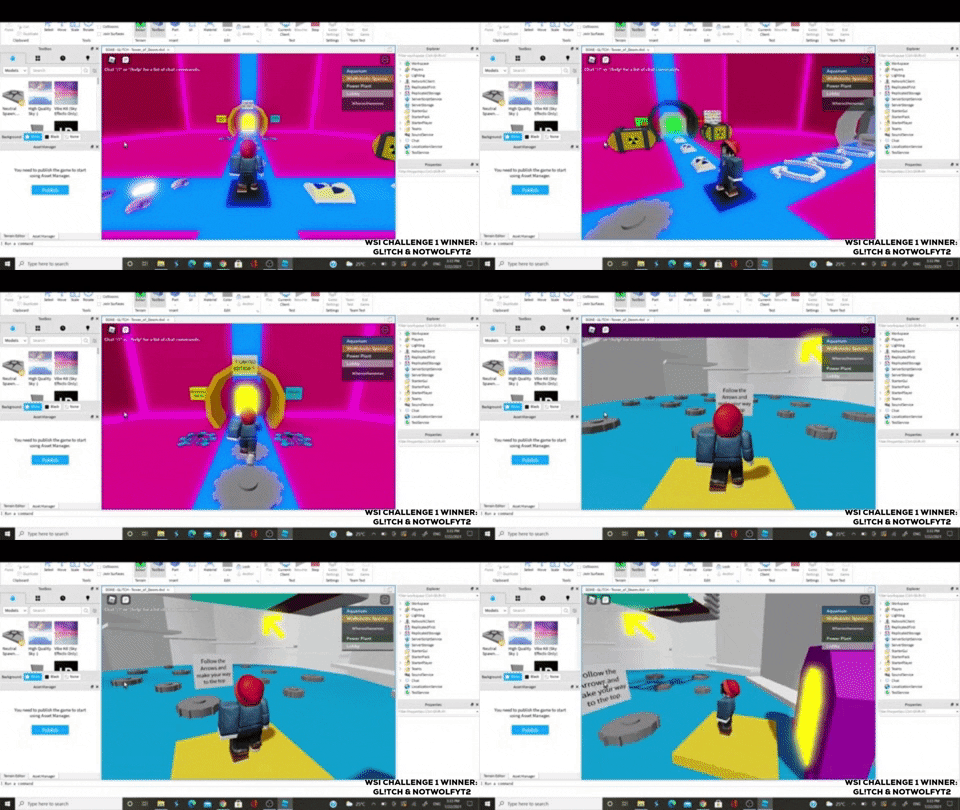
Take our Wiz Summer Innovators Competition for example, participants were given challenges to complete while playing Roblox. What’s better than playing games and learning STEM along the way?
At Wiz Robotics, our STEM classes offer exciting and engaging opportunities for students to practice problem solving.
Try a demo class and see for yourself!